




High-visibility clothing for road construction: visible in all light and weather conditions
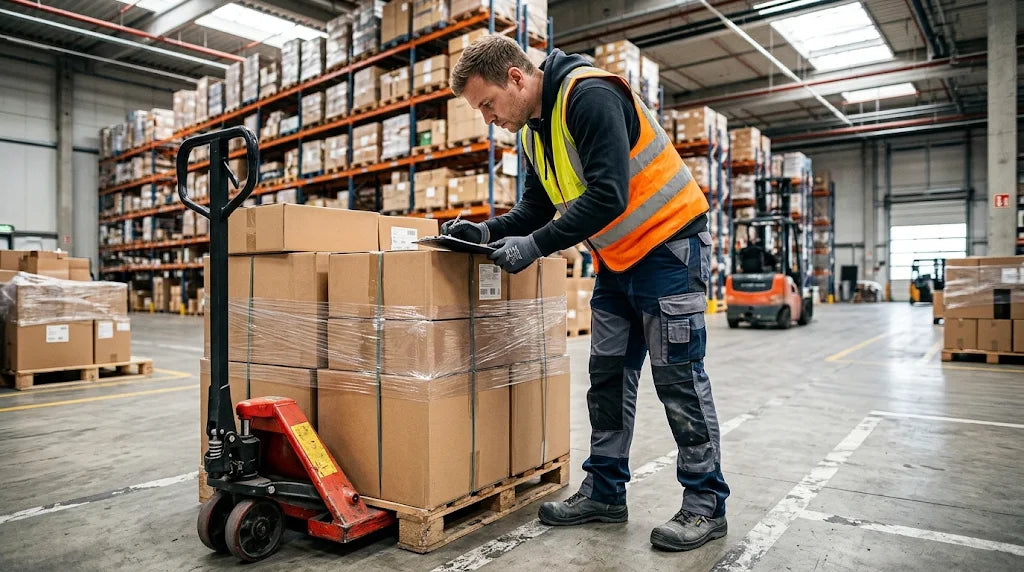
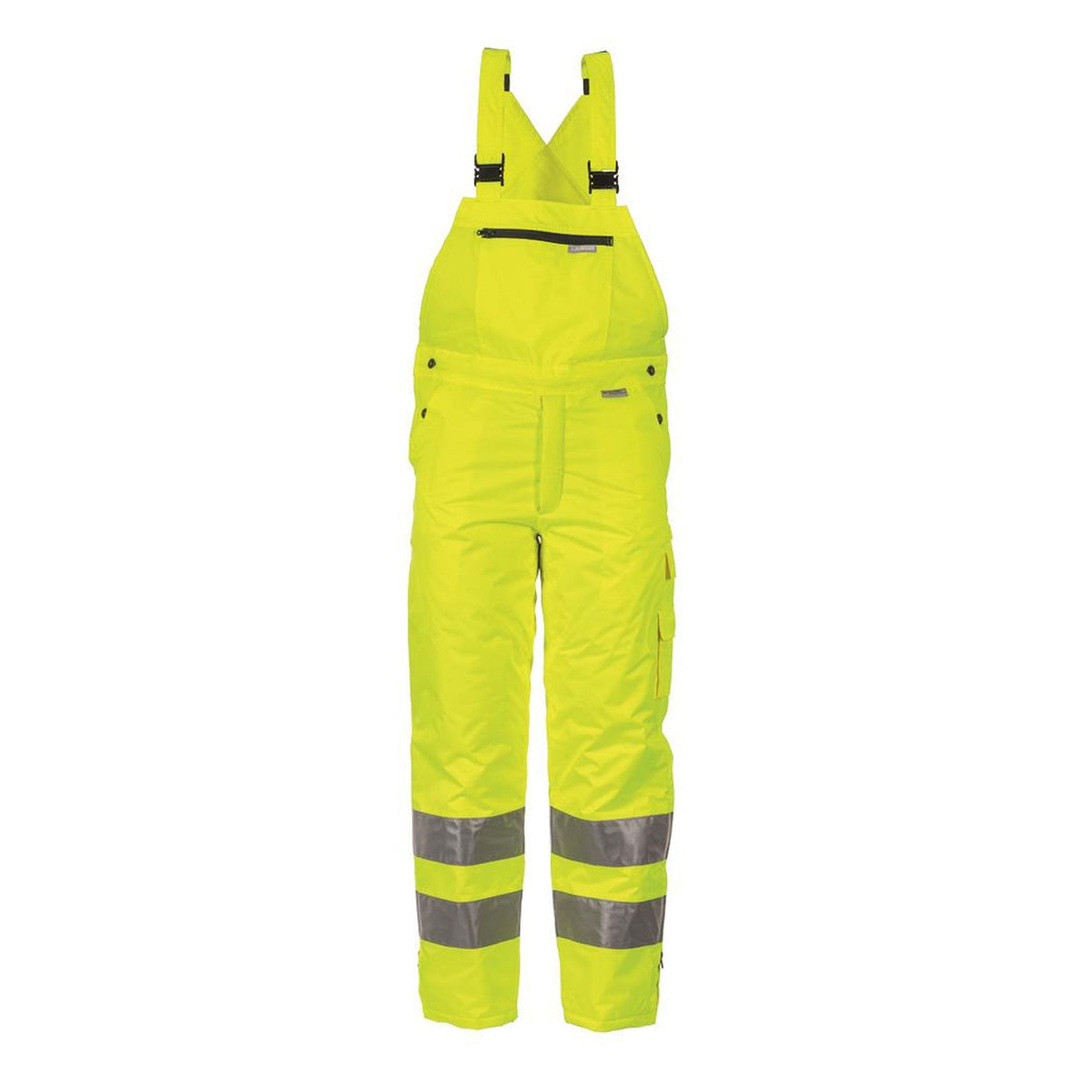
Anyone working near moving traffic must be seen early and from every direction, in broad daylight as well as in the twilight, in the rain or in the glare of headlights. This collection brings together high-visibility clothing for road construction, civil engineering and road maintenance: jackets, trousers, bib and brace overalls, shirts and high-visibility vests in fluorescent orange and yellow, for men and in separate styles for women. Most models are from Portwest, Schöffel PRO, Planam and Engel. Unlike standard workwear, high-visibility clothing is personal protective equipment tested in accordance with Regulation (EU) 2016/425 and EN ISO 20471:2013+A1:2016. The risk assessment determines which class your employees need. The glossary explains what lies behind the classes under High-visibility classes. You can find the full range under High-visibility clothing, and for working on roadside verges, the Gardening and landscaping collection as well.

Be seen during the day, at dusk, and at night
High visibility clothing uses two materials. The fluorescent background material glows in daylight and dusk because it converts invisible UV light into visible light. The retroreflective strips reflect headlight beams back to the driver at night. The more surface area of both, the higher the class. It is important that the strips run around the torso, arms, and legs, so that you remain visible even when bending over, kneeling, and from the side. Single-colour and two-colour high visibility clothing meet the same standard. Two-colour models with dark sections on the knees and sleeves show dirt less.
What you should check before purchasing
- High visibility class according to EN ISO 20471 on the label, individually or as a tested combination
- Colour fluorescent orange-red or yellow, matching your employer
- Reflective strips all around the torso, sleeves, and trouser legs
- Maximum number of wash cycles according to the care label
- Additional weather protection or flame resistance, if necessary
Which high visibility class applies on the road
Anyone working on the construction, maintenance, or cleaning of roads outside of sidewalks and barriers must wear high-visibility clothing in accordance with Section 35, Paragraph 6 of the German Road Traffic Regulations. The specific requirements are governed by EN ISO 20471:2013+A1:2016 and the risk assessment:
- Class: The BG BAU building block requirements specify at least Class 2 at road construction sites. Due to traffic volume and local conditions, Class 3 is often required, for example in fast-moving traffic or poor visibility.
- Color: The standard includes fluorescent yellow, orange-red, and red. Within the scope of the German Road Traffic Regulations, only yellow and orange-red are permitted in Germany.
- Combination: A Class 2 jacket and trousers only together constitute Class 3 if the manufacturer has specifically tested and certified this combination.
- Additional hazards: If heat, flames, or electric arcs are also present, for example along cable routes, multi-standard high-visibility protective clothing combines both in a single garment.
Regardless of the class, the high-visibility clothing must be the outermost layer. Wearing a regular jacket over a high-visibility vest negates the protection, and backpacks or tool belts should also not cover the high-visibility areas. As personal protective equipment, the employer bears the costs. A draft revision of the standard has been available since March 2026, but the current edition remains applicable until publication. The guide High-Visibility Clothing: Class 1, 2 or 3 explains how to choose the appropriate class.

High visibility all year round: the layering system
Road construction takes place in the height of summer on hot asphalt and in January in the drizzle. To maintain visibility in every season, every outer layer must provide high visibility.
- Summer: High-visibility T-shirt or polo shirt with shorts or lightweight trousers, paying attention to the combination class 2 or 3.
- Transitional season: High-visibility softshell jacket or sweatshirt; many softshell jackets have detachable sleeves.
- Rain and winter: High-visibility rainwear according to EN ISO 20471 and EN 343 or DIN EN ISO 24232:2026-05 as the outermost layer, with warming layers underneath.
- Head and feet: Safety helmets and S3 safety shoes are essential on every road construction site.
For crews of several people, a business account is worth it: After B2B registration, you can view your individual prices and volume discounts.

Questions about high visibility at roads and construction sites
Can I wear yellow instead of orange high-visibility clothing in road construction?
Can I wear yellow instead of orange high-visibility clothing in road construction?
Yes, fluorescent yellow and orange-red are permitted under the German Road Traffic Regulations. However, many road construction authorities and clients specify orange. Please check the requirements of your contract. Although red is permitted according to EN ISO 20471:2013+A1:2016, it is not permitted in road traffic in Germany.
Do the high-visibility jacket and high-visibility trousers together meet Class 3?
Do the high-visibility jacket and high-visibility trousers together meet Class 3?
Only if the manufacturer has tested this exact combination according to EN ISO 20471:2013+A1:2016 and stated it on the label. Any Class 2 jacket combined with any Class 2 trousers does not automatically result in Class 3. The lexicon explains the minimum surface areas for each class under EN ISO 20471.
How often can I wash high-visibility clothing?
How often can I wash high-visibility clothing?
Many manufacturers state a maximum number of wash cycles on the label up to which the visibility class has been tested. After this, the brightness may fade. Wash inside out, without fabric softener, and according to the manufacturer's temperature instructions.
Do I need additional weather protection according to EN 343 or EN ISO 24232?
Do I need additional weather protection according to EN 343 or EN ISO 24232?
Yes, in the rain. High-visibility weather protection clothing partially meets both standards. The BG BAU recommends using weather protection clothing only down to minus 5 degrees Celsius; below that, cold protection clothing is required. The guide Weather protection clothing EN 343 and EN ISO 24232 explains how to read the classes.
Which helmet should I wear at the road construction site?
Which helmet should I wear at the road construction site?
Industrial safety helmets according to EN 397 are standard on construction sites. For work in traffic areas, helmets are available in high-visibility colors and with reflective strips. The guide Head Protection: Helmet Type, EN 397 and Selection explains which helmet type is right for you.
Weiterführende Links und Quellen
Die Auswahl der Schutzausrüstung richtet sich nach der Gefährdungsbeurteilung Ihres Unternehmens.