







Hearing protection in occupational safety: earmuffs, earplugs, and active systems
Constant noise endangers health, and high-level sounds damage the ears, which is why employees in loud environments wear hearing protection. On construction sites, the environment is often particularly loud. The ears are sensitive to high sound pressure levels; the right protection helps to prevent long-term damage. Our product range is aimed at industry and trade, where employees must be protected from noise.

What does our range of hearing protection include?
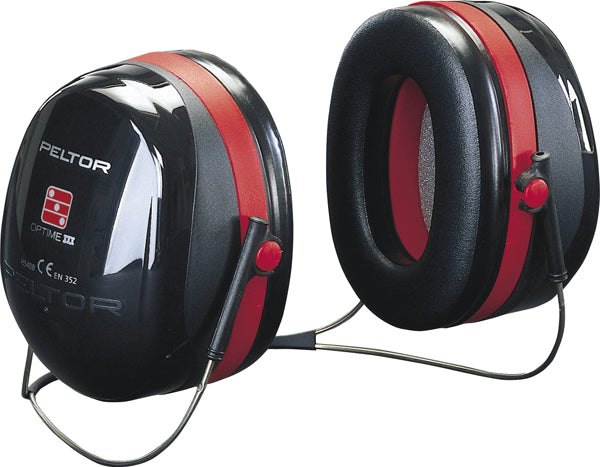
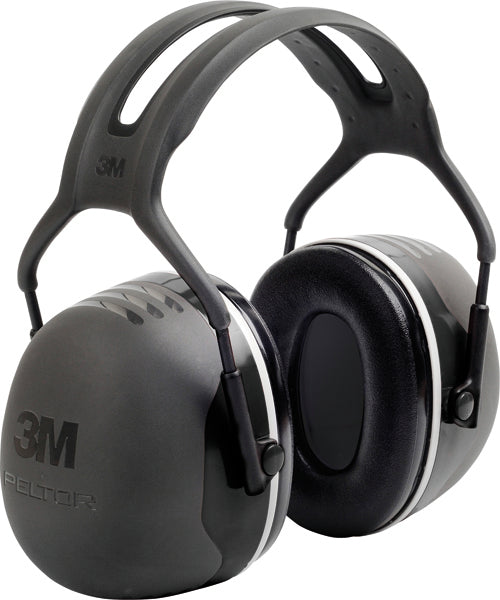
- Ear muffs: For frequent putting on and taking off
- Earplugs: Lightweight option that adapts to the ear canal, available as disposable or reusable versions
- Active systems: Protection against high volume without blocking communication, depending on the model
Earplugs and ear muffs are available in several types and variants; employees wear them depending on the noise and the work. There are versions for construction sites and industry, each with appropriate attenuation. Anyone who has to wear earplugs or ear muffs should ensure protection against noise, sounds, and volume.
Requirements, selection and wearing comfort
Noise and sounds in the workshop endanger hearing and health without protection; with protection, ears and hearing remain healthy. Noise is measured in dB(A): from 80 dB(A), hearing protection must be provided; from 85 dB(A), it must be worn. Pay attention to the SNR value in dB, which indicates how effectively hearing protection attenuates noise, and to attenuation values in dB. Hearing protectors must meet the requirements of the EN 352 standard; you can find the attenuation values a model achieves in the product data. There are different types, and the types—earmuffs, plugs, and active systems—are worn differently: earmuffs are worn over the ears, while earplugs are worn in the ear canal. Earmuffs can be put on quickly, the earmuff should fit tightly, and for every pair of earmuffs, the attenuation is what counts. Earmuff hearing protection is practical for short periods of use, while plugs are more comfortable over the course of a shift. The fit is decisive: only tight-fitting hearing protection preserves hearing. A warning signal must remain audible even with hearing protection; the level at the workplace determines the necessary attenuation.
Earplugs are an example of hearing protection that employees can wear all day; another example is selection based on dB and volume. Anyone required to wear hearing protection should wear it consistently, as fit and comfort are what matter when wearing it. Employees who wear earplugs should check their fit in the ear canal, and employees who wear earmuffs should check their fit over the ears, for example during instruction. Many variants are disposable plugs and should be thrown away after the shift to ensure that no germs enter the ear canal. For earmuff hearing protection, check for compatibility with helmets and glasses.
Buy hearing protection online now
If you want to buy hearing protection, you can select and order it at Technigro online based on the area of application and SNR value. Buying earmuffs, buying earplugs, or buying disposable earplugs: when purchasing, protection for the ears and hearing is what counts. We do not carry hearing protection for concerts or music, nor earplugs for sleeping; our earplugs and earmuffs are intended for work and occupational safety.

Hearing protection for every application
FAQ: Frequently Asked Questions about Hearing Protection
At what point is hearing protection mandatory at work?
At what point is hearing protection mandatory at work?
The risk assessment is decisive: hearing protection must be worn from 85 dB(A) and must be provided from 80 dB(A). Anyone required to wear it receives it for their safety.
How often should disposable earplugs be changed?
How often should disposable earplugs be changed?
Disposable versions should be disposed of after every shift to prevent germs in the ear.
Is it still possible to understand speech while wearing hearing protection?
Is it still possible to understand speech while wearing hearing protection?
Active systems allow sounds like speech to pass through in a muffled way while protecting the ear canal from noise. Our ear protection is not intended for sleeping, concerts, or music.
What is the most important factor?
What is the most important factor?
The fit: earplugs must seal the ear canal, earmuffs must enclose both ears.
What does the SNR value mean?
What does the SNR value mean?
The SNR value is specified in dB; a higher dB value means greater attenuation, which is important for health and safety.
When are earmuffs more suitable, and when are earplugs?
When are earmuffs more suitable, and when are earplugs?
Caps for short periods of use, one cap is ready for immediate use, soft plugs for a full shift. There are versions for different applications; which one is suitable depends on the environment.