








Workwear for production and manufacturing: durable for shift work
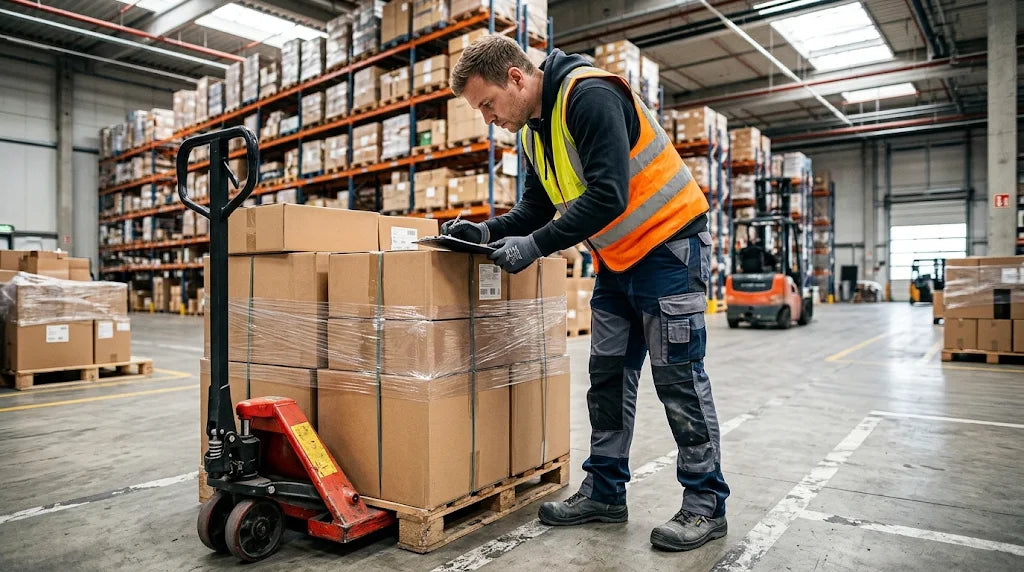
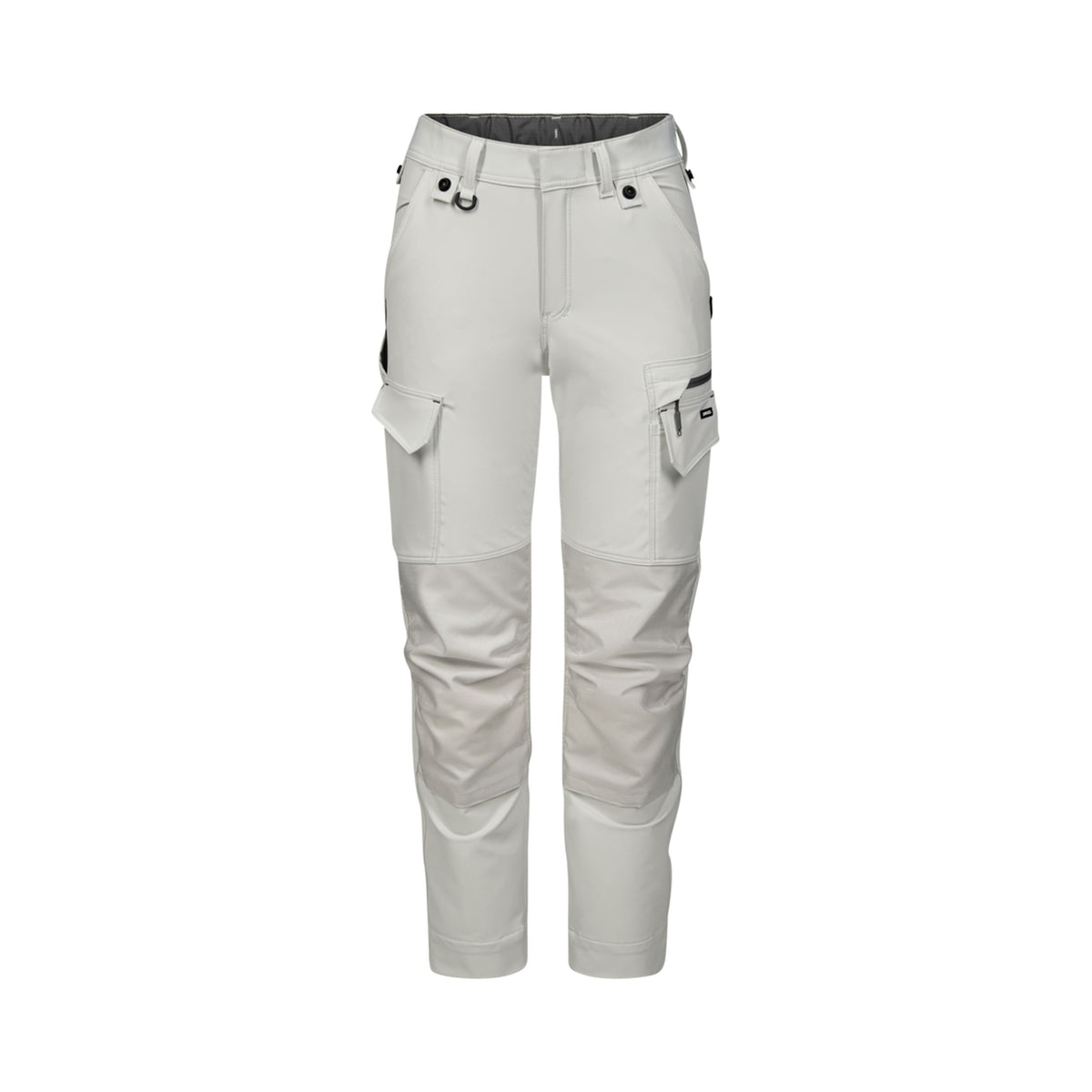
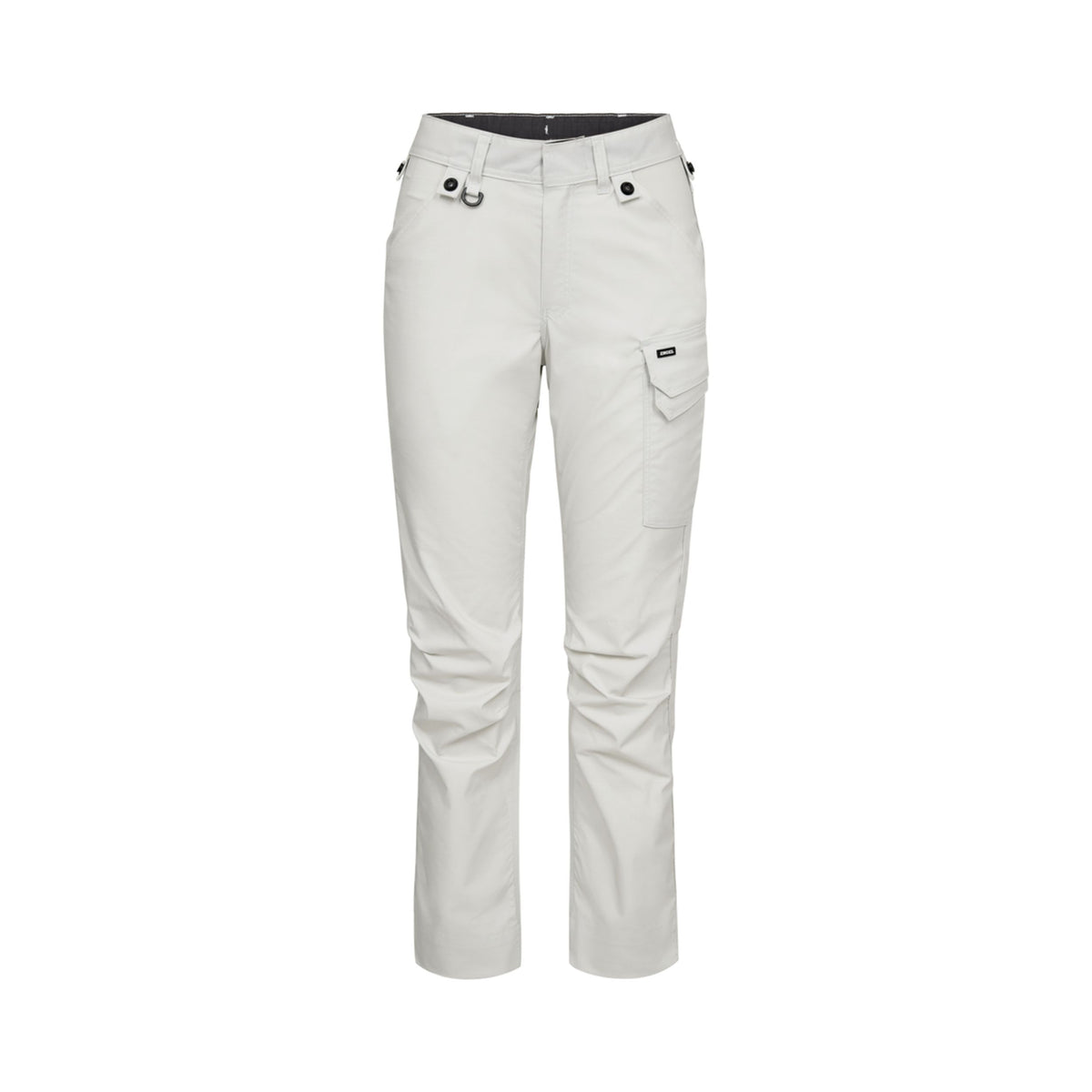
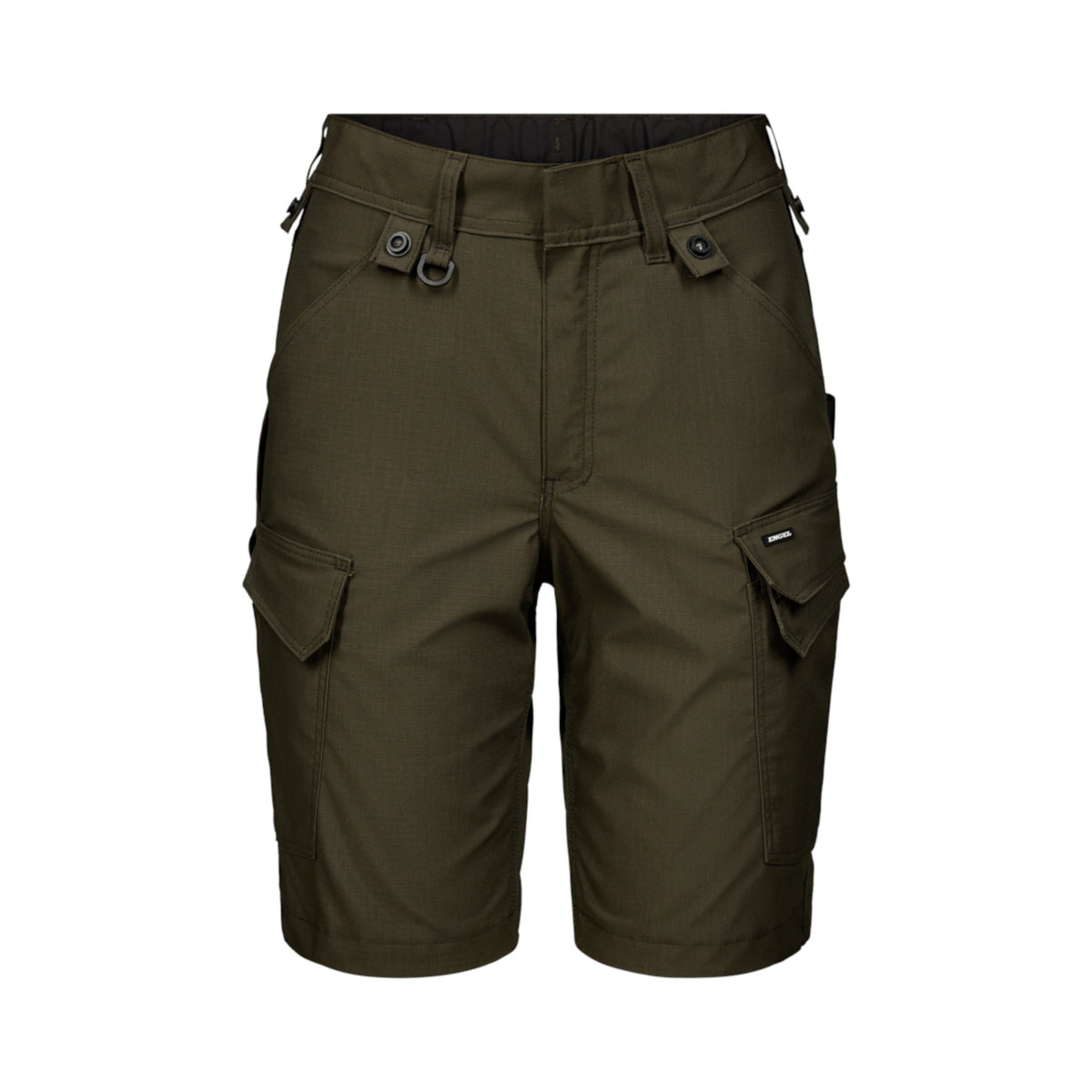
In production, manufacturing and mechanical engineering, workwear must withstand oil, dust, chips and frequent washing while remaining comfortable, often for an entire shift. In this collection you will find trousers, bib and brace overalls, shorts, jackets, vests, shirts, polo shirts and T-shirts in black, grey, navy and many other colours, for men and in dedicated cuts for women. The largest ranges come from Dassy, Schöffel PRO, Engel, TRICORP and Mascot. Workwear is generally not personal protective equipment within the meaning of Regulation (EU) 2016/425. For specific hazards, the collection therefore also includes multi-standard protective clothing and welding protective clothing. What your employees have to wear is determined by the risk assessment. For woodworking and warehousing, there are dedicated collections under Carpenters and Woodworking as well as Warehouse and Logistics.
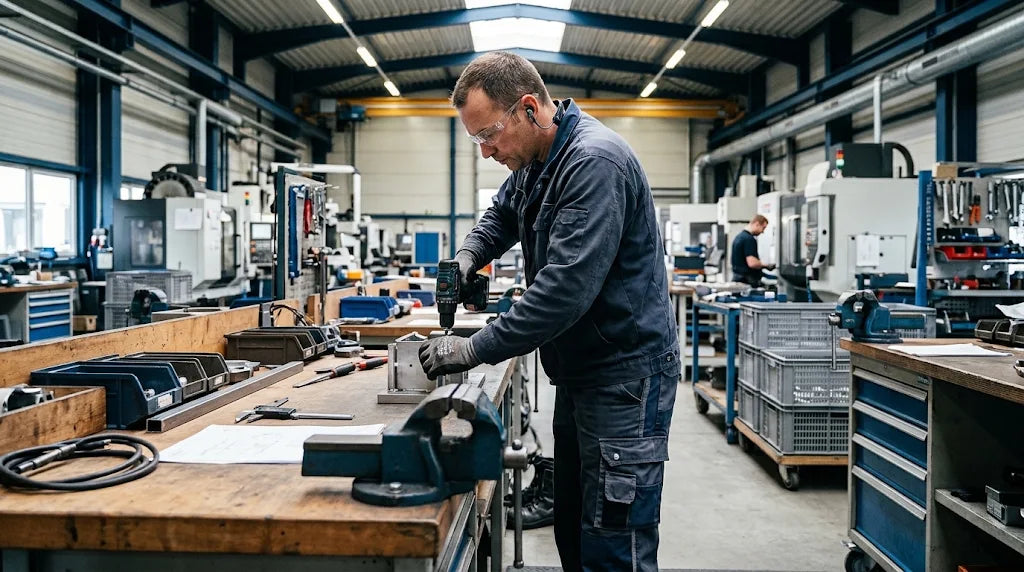
Use at machine, workbench and assembly line
Anyone operating a machine, assembling at a workbench, or inspecting parts moves around in confined spaces and constantly reaches for tools. Dark colors such as black, gray, and navy make oil and dust stains less noticeable. Durable blended fabrics withstand frequent washing, while bib overalls provide additional protection for the torso. For floor-level assembly, trousers with knee pad pockets are commonly used.
What to check before purchasing
- Workplace hazards, such as moving machine parts, sparks, or heat
- A close-fitting cut without loose straps around rotating machinery
- The manufacturer's fabric and care instructions, including those for industrial laundering
- Pockets for measuring tools, a pen, and a smartphone
- Knee pad pockets for working on the floor
When workwear must become protective clothing
Workwear protects against dirt and wear. As soon as a specific hazard is present, protective clothing with CE marking in accordance with Regulation (EU) 2016/425 is required. The risk assessment determines what hazards exist at your workplace. In production and manufacturing, these five are common:
- Moving machine parts: DGUV Rule 112-189 (Edition 10.2007) lists entrapment by moving parts as a specific hazard. Close-fitting clothing without loose straps and with closed cuffs is suitable for milling, drilling, and boring machines.
- Welding: Welding protective clothing according to EN ISO 11611:2015 is available in Class 1 for processes with low spatter and Class 2 for more hazardous processes.
- Heat and flames: Clothing according to EN ISO 11612:2015 protects during brief contact with flames and heat.
- Electrostatic charging: In areas at risk of explosion, the risk assessment may require clothing according to EN 1149-5:2018.
- Noise: According to the Noise and Vibration at Work Regulation, the employer must provide hearing protection from a daily noise exposure level of 80 dB(A) and must ensure it is worn during work from 85 dB(A).
When several hazards occur together, multi-standard protective clothing covers them all in a single garment. The product description and the manufacturer's label state which standards a model meets. According to Section 3 (3) of the Occupational Safety and Health Act, the employer bears the costs of required protective clothing, while Section 3 of the Personal Protective Equipment Use Regulation governs training on its use.
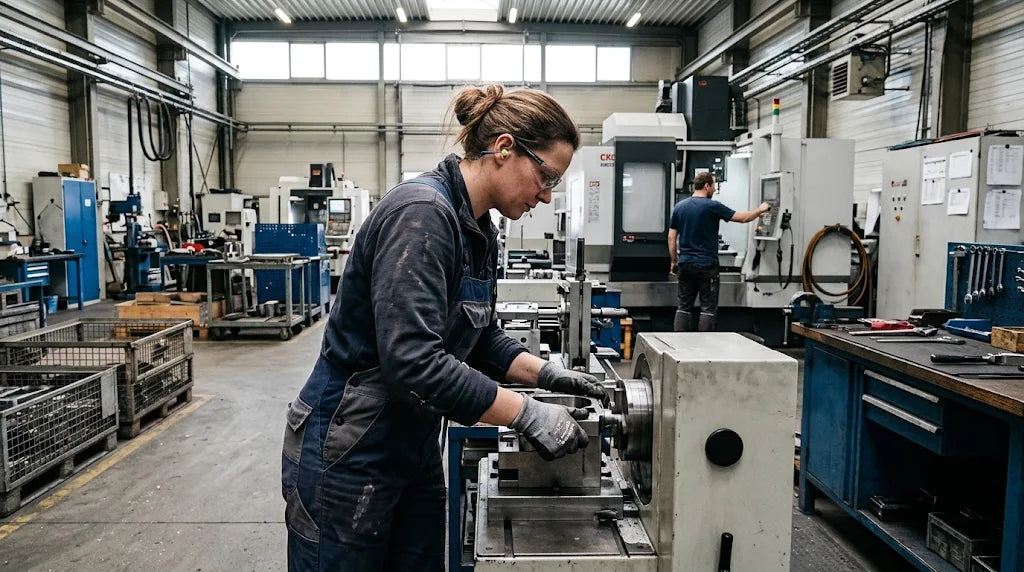
How to put together the equipment for your production facility
A uniformly equipped team works more safely and looks professional. These points help with planning:
- Departments: Assembly, maintenance, and quality assurance have different requirements for cut and protection.
- Washing process: If you use a rental service for washing, check the manufacturer's industrial laundry rating, for example according to ISO 15797:2017.
- Color and series: A series in one color makes reordering and identification easier.
- Additional PPE: Coordinate S3 safety shoes, assembly gloves, and eye protection with the risk assessment.
With a corporate account, you will receive individual prices and volume discounts after B2B registration.

Questions regarding equipment in production and manufacturing
What clothing is suitable for machines with rotating parts?
What clothing is suitable for machines with rotating parts?
Close-fitting clothing without loose straps, open pockets or wide sleeves. DGUV Rule 112-189 (edition 10/2007) expressly identifies entanglement in moving parts as a hazard. Sleeves should be closed, and long hair and jewelry should be secured. Specific requirements are derived from the risk assessment.
What protective clothing do I need when welding?
What protective clothing do I need when welding?
Welding protective clothing according to EN ISO 11611:2015. Class 1 is intended for processes with little spatter and low radiation, Class 2 for more hazardous processes with more spatter. An overview can be found under Welding protection, the standard is explained in the glossary under EN ISO 11611.
When is multi-standard protective clothing appropriate?
When is multi-standard protective clothing appropriate?
When several hazards occur together at a workplace, for example heat and flames according to EN ISO 11612:2015, welding spatter according to EN ISO 11611:2015 and electrostatic charging according to EN 1149-5:2018. Which standards a model covers is stated in the product description. The glossary explains the background under Multinorm Clothing, you can find suitable models under Multinorm Protective Clothing.
From when is hearing protection mandatory in production?
From when is hearing protection mandatory in production?
According to Sections 6 and 8 of the German Occupational Noise and Vibration Ordinance, employers must provide hearing protection when the daily noise exposure level reaches 80 dB(A). Employees are required to wear it from 85 dB(A). The guide Hearing Protection dB Table explains how much protection you need.
Can workwear be sent with the industrial laundry?
Can workwear be sent with the industrial laundry?
This depends on the model. Many manufacturers state that their clothing is suitable for industrial laundering in accordance with ISO 15797:2017. The care label is authoritative. For protective clothing, care also includes maintaining its protective properties, so the manufacturer's instructions apply.
Weiterführende Links und Quellen
Quellen
- DGUV Regel 112-189: Benutzung von Schutzkleidung (Ausgabe 10.2007)
- IFA: Rechtliche Vorgaben und Technisches Regelwerk zu Arbeitsplatzlärm
- DGUV, Fachbereich PSA: Regeln und Informationen zu Persönlichen Schutzausrüstungen
- DGUV, Fachbereich PSA: Fragen und Antworten zu allgemeinen PSA-Themen
Abgerufen am 12.11.2026.
Die Auswahl der Schutzausrüstung richtet sich nach der Gefährdungsbeurteilung Ihres Unternehmens.