






Workwear for warehouse and logistics: durable, flexible, suitable for everyday use
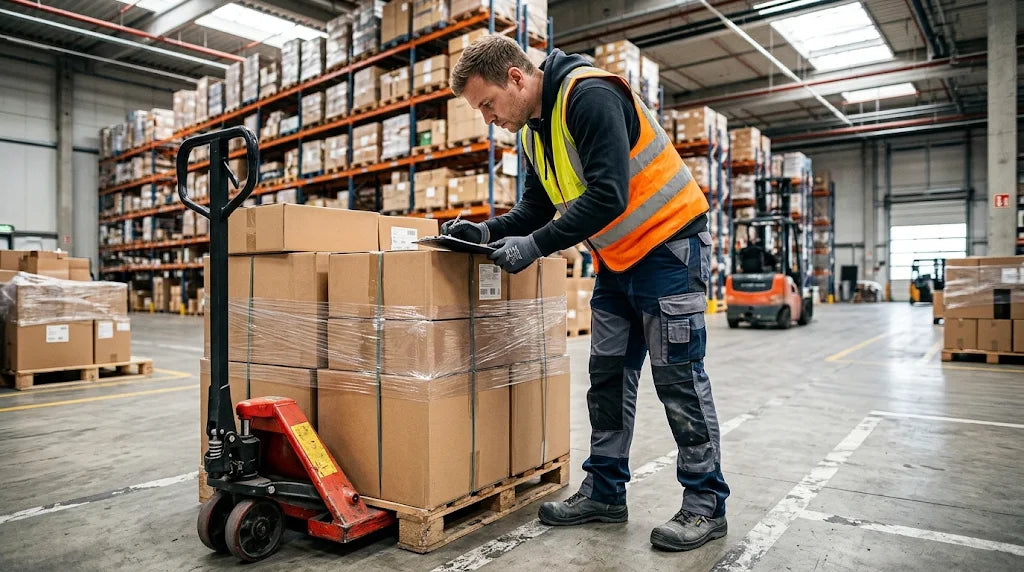
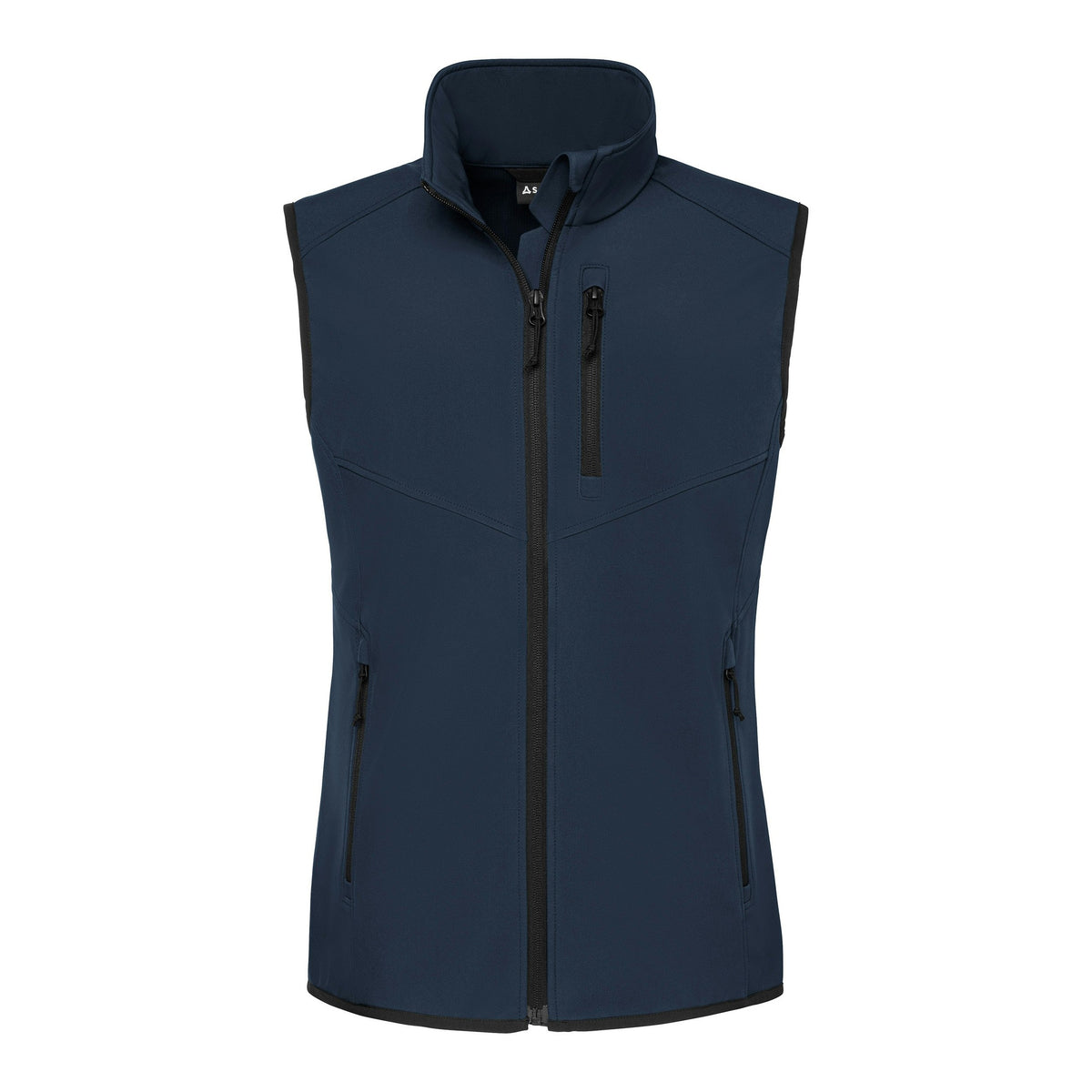
In the warehouse, you lift, bend, stretch, and walk a lot. Workwear must keep up day after day without restricting movement and offer enough room for scanners, pens, and smartphones. In this collection, you will find trousers, bib and brace trousers, shorts, jackets, waistcoats, as well as shirts and sweatshirts for warehousing, order picking, shipping, and fleet operations, for men and in dedicated cuts for women. In addition, there are cold protection gloves for loading docks and cool warehouse areas. Most models come from TRICORP, Schöffel PRO, and Dassy. Workwear is generally not personal protective equipment within the meaning of Regulation (EU) 2016/425. Whether your employees also need safety shoes, high visibility or cut protection gloves is determined by the risk assessment. You can find the relevant categories under S1P safety shoes, high visibility clothing, and cut protection gloves. For workshops and production, it is worth taking a look at the Production and Manufacturing collection.

What workwear in the warehouse must deliver
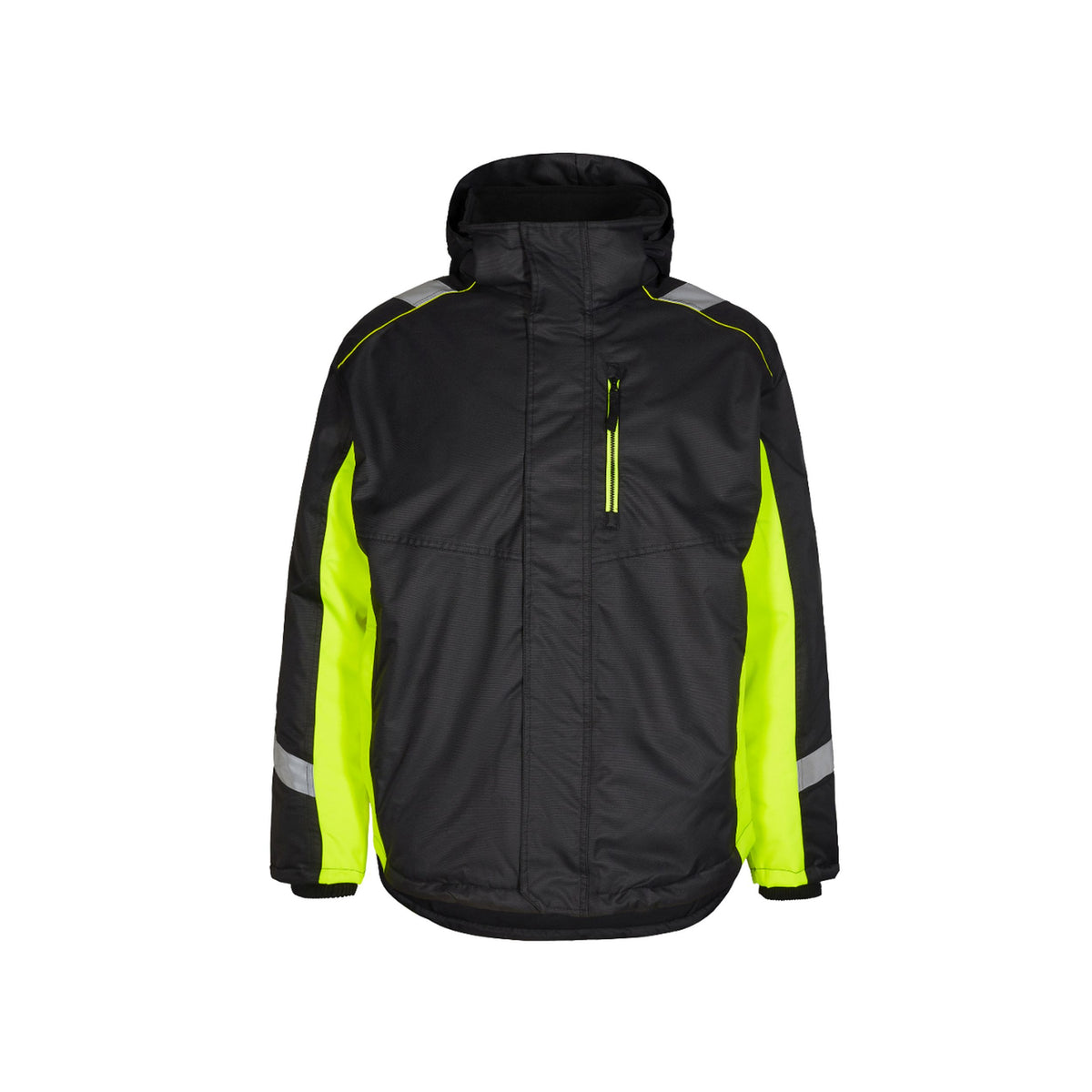
Warehouse work constantly involves walking, lifting, and reaching. Good workwear should give with the body rather than pull and withstand frequent washing. At the open loading dock or in the refrigerated area, warmth is also important, for example with jackets from the weather and cold protection range or functional base layers. In summer and in heated warehouses, lightweight, breathable fabrics and shorts are more popular. Many companies also opt for a uniform appearance and order entire ranges from a single brand.
What to check before buying
- Freedom of movement, for example through stretch fabrics or articulated knees
- Pockets for scanners, pens, smartphones and utility knives
- Durable fabric and the manufacturer's care instructions
- Warmth for the loading dock and refrigerated area using a layering system
- Availability of the range in the required sizes and colors for reordering
Distinguish between workwear, protective clothing, and PPE in the warehouse
Workwear protects against soiling and contributes to a professional appearance. Personal protective equipment, on the other hand, protects against specific hazards and bears a CE marking in accordance with Regulation (EU) 2016/425. The risk assessment identifies the hazards present in your warehouse. These four areas are typical:
- Foot protection: Falling boxes, pallets and trolleys are typical reasons for safety shoes. In dry warehouses, S1P shoes according to DIN EN ISO 20345:2024-06 are often sufficient; S3 shoes are required on ramps and outdoors.
- Visibility: Where forklifts and other industrial trucks operate, the risk assessment may require high-visibility clothing according to EN ISO 20471:2013+A1:2016.
- Hands: Cut-resistant gloves according to EN 388:2016+A1:2018 protect when opening boxes and working with strapping bands and sharp edges.
- Cold: According to DIN 33403-5:1997-01, a workplace is considered a cold workplace if the air temperature is 15 degrees Celsius or below. Cold protection gloves according to EN 511:2006 are available for the hands.
For outdoor work, such as on the yard or with the vehicle fleet, weather protection clothing according to EN 343 or the successor standard DIN EN ISO 24232:2026-05 is also required. Workwear from this collection does not replace any of this protective equipment; it complements it in everyday work. Under Section 3(3) of the Occupational Safety and Health Act, the employer bears the costs of required PPE. Our guide Safety Shoes: What Really Matters When Buying for Your Business explains how to choose safety shoes for your team.

What matters when choosing for your team
Whether order picker, forklift driver or shipping team: the requirements vary depending on the workplace. These points help with the selection:
- Area of use: Warehouse, ramp, refrigerated area or vehicle fleet determine the fabric, warmth and cut.
- Fit: Men's cuts, unisex models and own cuts for women are available in most series. The size information is on the respective product.
- Combination: Trousers, jacket and vest from one series match in color and style.
- Complement: Safety shoes, gloves and high visibility are coordinated with the risk assessment.
For larger orders, a company account is worth it. After the B2B registration, you will receive individual prices and volume discounts.

Frequently Asked Questions About Workwear for Warehousing and Logistics
Is workwear mandatory in the warehouse?
Is workwear mandatory in the warehouse?
There is no general requirement. Many companies provide workwear for a uniform appearance and to protect personal clothing. Personal protective equipment is mandatory if the risk assessment requires it, for example, safety shoes.
Do warehouse workers need high-visibility clothing?
Do warehouse workers need high-visibility clothing?
This depends on the company. Where pedestrians and industrial trucks use the same routes, the risk assessment may require high-visibility clothing in accordance with EN ISO 20471:2013+A1:2016. Our guide High-Visibility Clothing: Class 1, 2 or 3 explains classes 1 to 3.
Which safety shoes are suitable for warehouse and logistics?
Which safety shoes are suitable for warehouse and logistics?
In dry indoor environments, S1P shoes according to DIN EN ISO 20345:2024-06 with puncture resistance are common, while on the ramp and outdoors, S3 shoes with additional water resistance are used. The encyclopedia explains the difference under S1P and S3. The decisive factor is the risk assessment of your workplace.
What do employees wear in the cold storage or freezer warehouse?
What do employees wear in the cold storage or freezer warehouse?
According to DIN 33403-5:1997-01, cold work is defined as work performed at plus 15 degrees Celsius or below. Depending on the temperature and duration of exposure, cold protection clothing according to DIN EN 342:2018-01, cold protection gloves according to DIN EN 511:2006-07 and cold-insulated safety shoes may be appropriate. The selection is based on the risk assessment, which also includes warm-up breaks.
Which gloves are suitable for order picking?
Which gloves are suitable for order picking?
For cardboard and lightweight goods, thin, high-grip assembly gloves are commonly used. For sharp edges, strapping bands, or utility knives, cut-resistant gloves provide protection in accordance with EN 388:2016+A1:2018. The guide Choosing the right protective gloves explains how to select the appropriate protection level.
Weiterführende Links und Quellen
Die Auswahl der Schutzausrüstung richtet sich nach der Gefährdungsbeurteilung Ihres Unternehmens.